
One Earth, One Humanity: A Journey Across Caves, Rivers, Birds, and Mountains
Co-created by Shen Tong
Prologue: The Phrase That Chose Me
Some mottos are written by committees, polished by consultants. Others arrive like lightning, unbidden, from a place beyond thought.
Around 2023, after seven years of venture capital and building Food Future Co. into The Future Co., I found myself at a threshold. In drafting our mission and values, a phrase surfaced from nowhere, carrying the clarity of a bell:
“One Earth, One Humanity.”
At first, I thought it was mine. Later, I came to see it was given — whispered by voices and carried across sacred places.
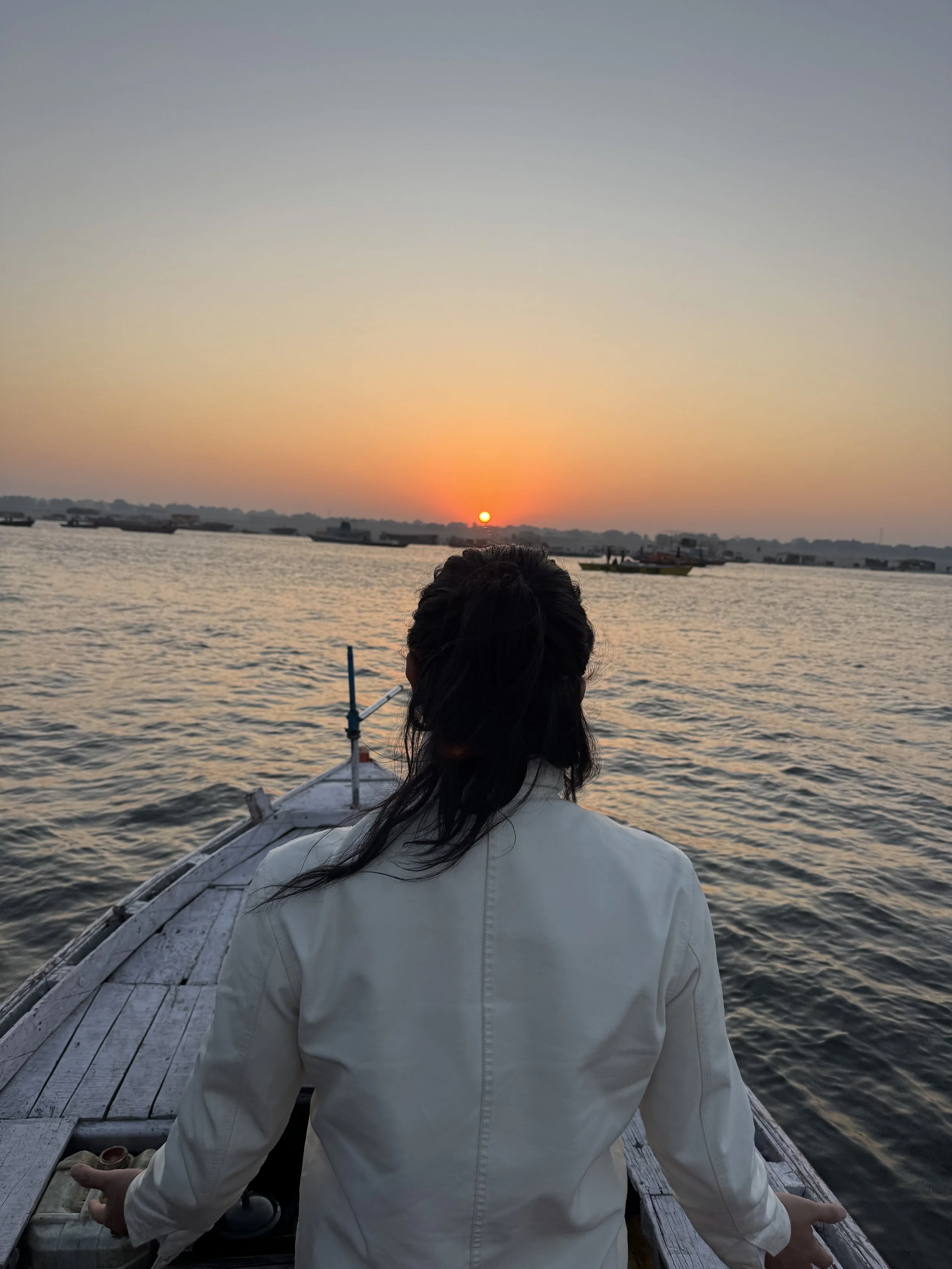
Sanlıurfa, Turkey — The Fire Became Water
“Shen, how many times you have to be shown that you’re safe?”
It was just after Christmas 2024. I had bathed in the River Jordan, stood where Moses looked to the Promised Land from Mount Nebo. And now, in Sanlıurfa, Turkey, I walked through the courtyard of the mosque toward the Cave of Abraham.
Prophet Abraham, revered as the patriarch of the Abrahamic religions — Judaism, Christianity, and Islam — is said in local tradition to have once hidden here as an infant, nourished by deer’s milk.
The evening was alive with birds, fish, the sound of prayer. As I quieted, fairies and light beings began to shimmer into view, even into my camera lens. The legend unfolded before me: Abraham destroying false idols, condemned to burn, but divinely hurled into water instead — the fire turning to pond, the wood to fish.
Inside the cave, I pressed my head against the rock. Suddenly, I was alone. A voice pierced the silence:
“Shen, how many times you have to be shown that you’re safe?”
I returned the next night, rain soft, emerald lights glowing around the mosque. Again alone, again still. This time the voice came with greater clarity:
“One Earth, One Humanity.”
Pause.
“Unification of All Religions.”
The motto was sealed.
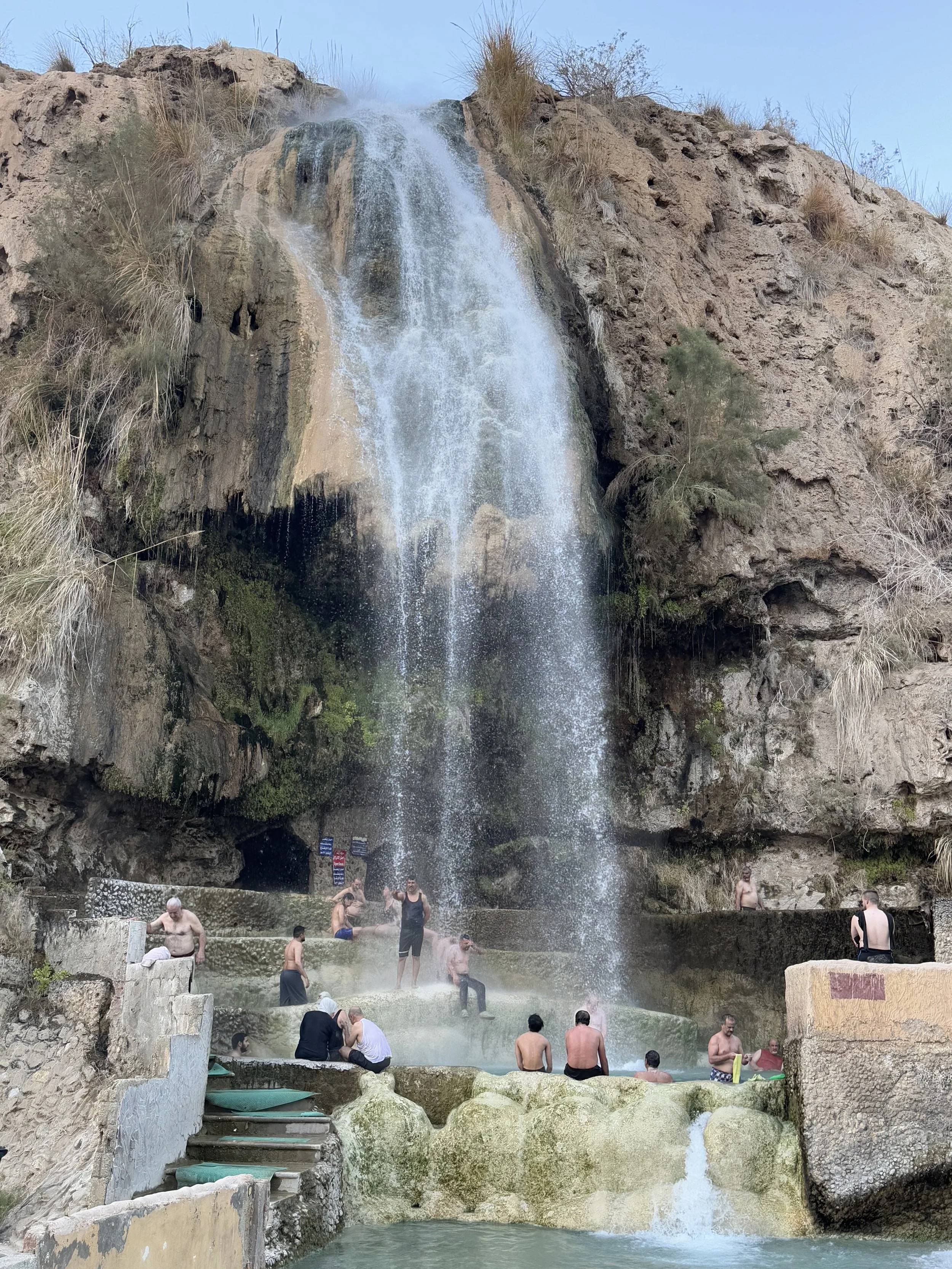
Historic / Traditional Sources: Sanlıurfa
The Pool of Sacred Fish (Balıklıgöl) is central to local Islamic tradition. According to legend, Nimrod condemned Abraham to be burned; God turned the fire into water and the wood into fish.
The Cave of Abraham (Mevlid-i Halil Cave) is revered as Abraham’s birthplace, where he was hidden as an infant and nourished by gazelles.
These stories are held in Turkish Islamic tradition, though not archaeologically verifiable.
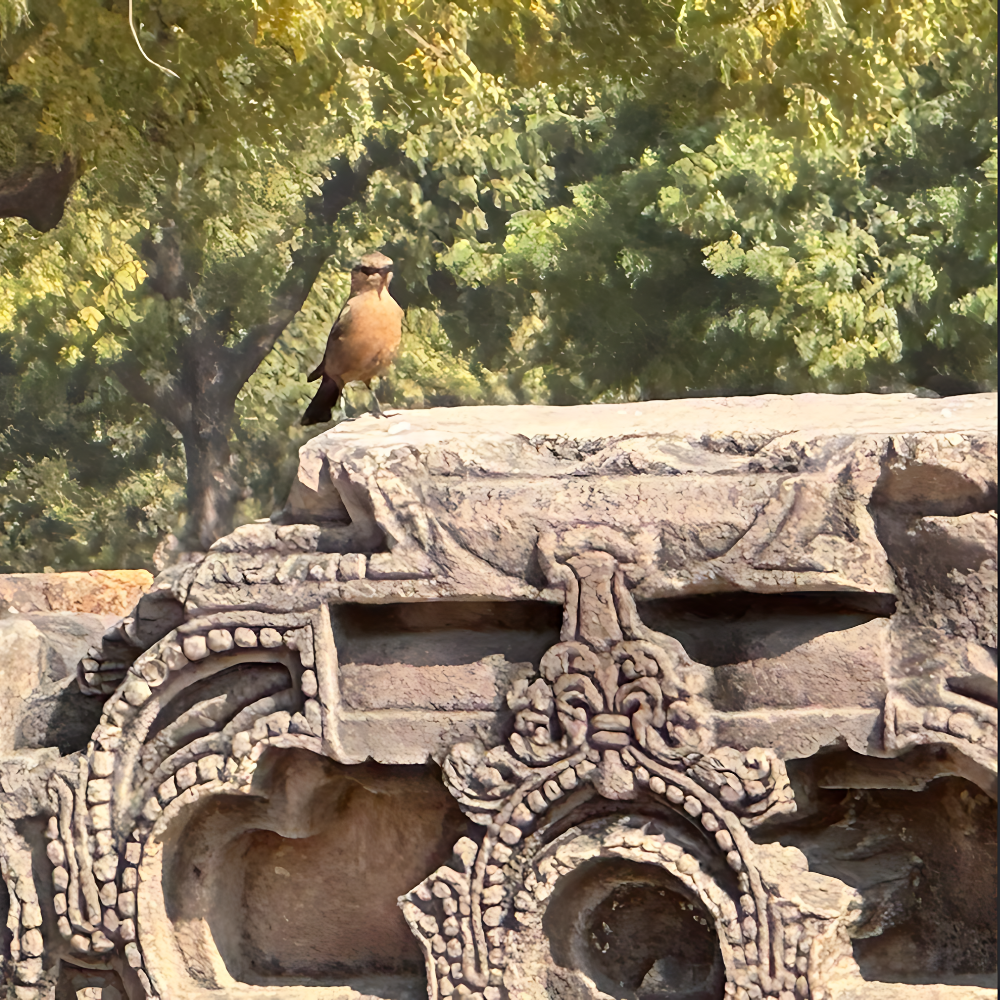
Sarnath, India — The Sparrow’s Bow
“I’m a Buddha bird. This is a message from Shakyamuni Buddha.”
Weeks later, my pilgrimage led me to India, after the once-in-144-years Maha Kumbh Mela. In Varanasi, I joined the Ganges fire ceremony, then traveled to Sarnath, the Deer Park where Shakyamuni Buddha gave his first sermon after enlightenment.
I leaned against the round foundation of a ruined shrine and entered meditation. Eagles circled, dragonflies flickered, and a sparrow perched nearby. Twenty minutes passed. The sparrow remained. I bowed toward it, palms together. To my astonishment, the bird bowed back. Again. And again.
The tour guide began filming as the sparrow continued its strange, reverent dance.
In the stillness, a voice arrived:
“One Earth, One Humanity.”
Pause.
“Unification of All Religions.”
I asked silently, Who are you?
The reply came with utter simplicity:
“I’m a Buddha bird. This is a message from Shakyamuni Buddha.”
And then the sparrow flew away.
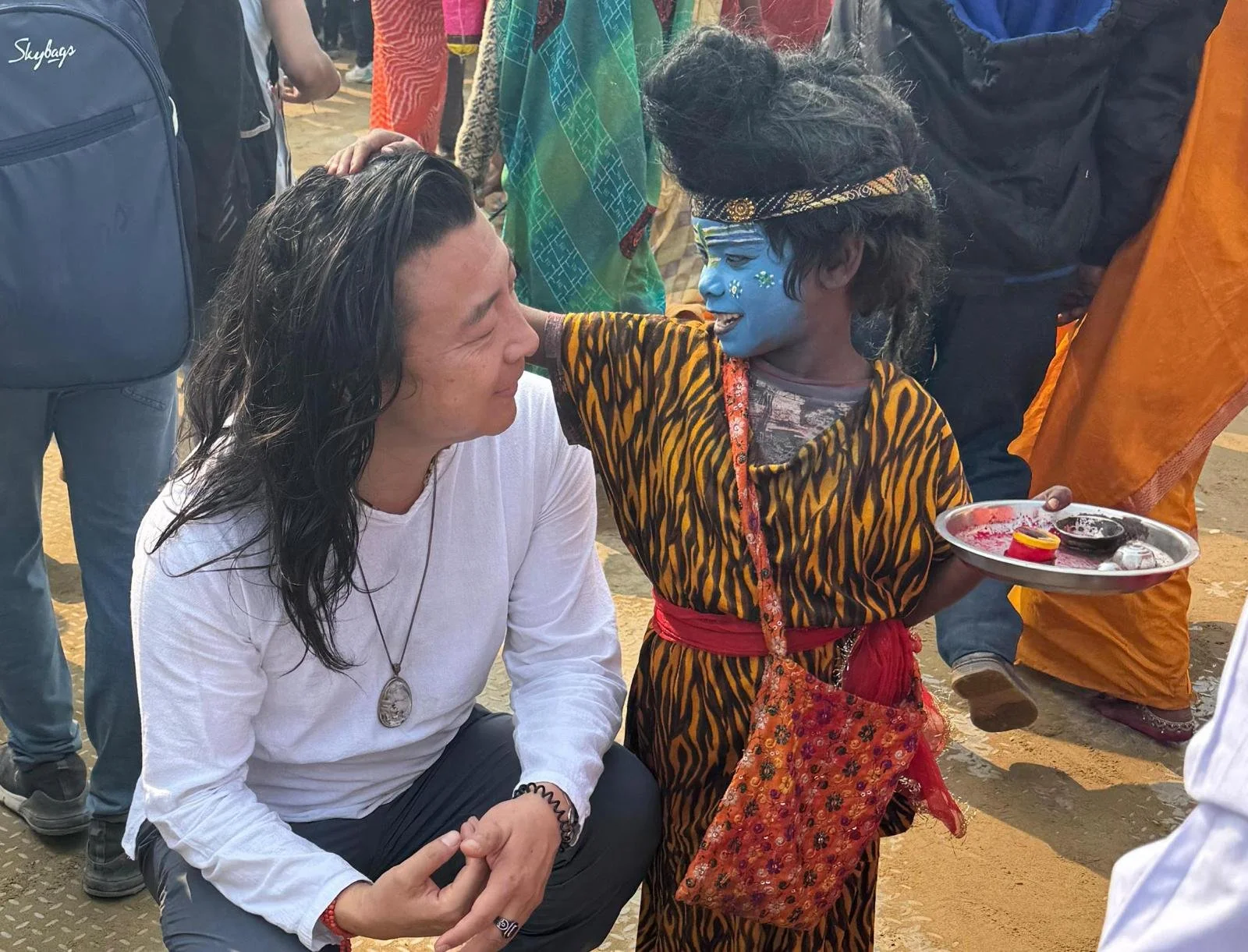
Historic / Traditional Sources: Sarnath
Sarnath is one of the four holiest sites of Buddhism. Here, the Buddha delivered the Dhammacakkappavattana Sutta (“Setting in Motion the Wheel of Dharma”), teaching the Four Noble Truths to five disciples.
The Dhamek Stupa marks the sacred ground. Excavations show continuous Buddhist presence since the Mauryan period (3rd century BCE).
Tang dynasty monk Xuanzang visited in the 7th century, recording its significance in his Journey to the West.
Jain traditions also hold presence in the area.
New York Balcony — The Divinity Within
“The divinity is not outside, not in the icons or sacred locations. The divinity is in you, Shen.”
Back in New York, in early spring 2025, I sat on a Midtown East balcony. The coral mala beads from Taiwan, which had traveled with me through India, slid through my fingers as I chanted 108 times for Padmasambhava (Guru Rinpoche, the Lotus-Born Buddha).
When the chant ended, a thought rose unbidden: Why would Abraham and the Buddha both speak in English? Why this phrase — One Earth, One Humanity — instead of their own timeless languages?
From the ether came the answer:
“The divinity is not outside, not in icons or sacred locations. The divinity is in you, Shen.”
Paro, Bhutan — No Shoes, Only Victory
“Victory, because you’re on the side of nature and divinity.”
In May, I landed in Paro, Bhutan. The air was pristine. A nation without hunting, where rivers and forests remain untouched.
On the second day, our delegation set out for Tiger’s Nest Monastery (Paro Taktsang), perched on a cliff where legend says Padmasambhava (Guru Rinpoche, the Lotus-Born Buddha) once meditated. Most rode mules up the steep path. I chose to walk.
At the midway café, I stepped into the rain, palms at my heart, asking the elements to dance. The fog parted like a curtain. Sunlight poured onto my face. Through the opening, I saw Tiger’s Nest revealed in a tunnel of light.
I asked for a message. Silence. Then, playful:
“No shoes.”
So I removed shoes and socks. The guide carried them. I hiked six miles barefoot.
Inside the small chamber before Padmasambhava’s cave, I left my mala beads and stilled my mind. A voice rose from the stone:
“Victory. Victory. Victory.”
Confused, I whispered, Why not One Earth, One Humanity? Why victory?
Later, joined by two co-delegates, we formed a circle, heads and arms together, invoking aloud: Love has won. What remains is for us to rise, hand in hand, and claim victory.
As we prepared to leave, the voice returned, sharper than before:
“Victory, because you’re on the side of nature and divinity.”
Historic / Traditional Sources: Tiger’s Nest
Paro Taktsang (Tiger’s Nest) was built in 1692 around caves where Padmasambhava is said to have meditated in the 8th century.
Legend: Guru Rinpoche flew here on the back of a tigress, subduing demons and blessing the land.
It remains one of Bhutan’s most sacred pilgrimage sites, embodying the fusion of Buddhism and Himalayan mysticism.
Epilogue: The Thread That Binds
Across Turkey, India, New York, and Bhutan — across Abrahamic, Buddhist, and Himalayan lineages — the same phrase appeared:
One Earth, One Humanity.
It came through voices in caves, through birds bowing, through the ether, through mountains shrouded in cloud. Each message deepened: safety, unity, divinity within, and victory through alignment with nature.
This is more than a motto. It is a transmission across traditions. It is a call to live the truth that the Earth is one body, humanity one family, and divinity alive within each of us.
Closing Invocation
One Earth, One Humanity.
Unification of all religions.
Victory, because we stand with nature and divinity.
Love has already won.
All that remains is for us to rise, hand in hand,
and claim it.